
Why Maintain Your Water Heater Regularly?
You might not think about your water heater very often, but keeping it in good shape can save you a lot of trouble down the road. Regular maintenance not only guarantees it runs efficiently and lasts longer, but it also keeps your energy bills in check and improves your water quality. Ignoring this routine can lead to costly repairs and even compromise your safety. So, what specific steps should you take to maintain your water heater, and how can these actions make a difference in your daily life?
Increase Efficiency
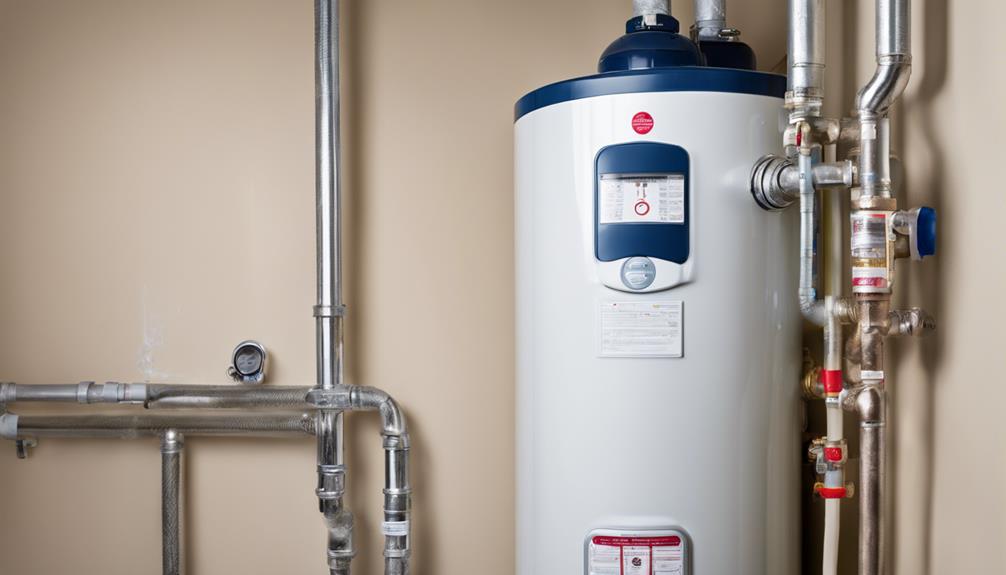
Boosting the efficiency of your water heater can lead to considerable energy savings and prolong its lifespan. Start by setting the thermostat to 120 degrees Fahrenheit. This temperature is ideal for preventing scalding and reducing energy consumption. Periodically check and replace the anode rod, which prevents tank corrosion, verifying it's in good condition. According to essential tips, a well-maintained anode rod can greatly extend the lifespan of your heater.
Sediment buildup at the bottom of the tank can decrease efficiency. Drain a few gallons of water from the tank every six months to flush out sediments. Use a garden hose attached to the drain valve and allow the water to flow until it runs clear. Always turn off the power supply to electric heaters or set the gas control to "pilot" for gas heaters before draining to avoid potential hazards.
Insulating the tank and hot water pipes can also help. Use a fiberglass jacket or a pre-cut insulation blanket for the tank, remembering not to cover the thermostat or burner compartment. For pipes, foam pipe insulation is recommended. Finally, verify proper ventilation around the heater to prevent overheating and guarantee safe operation. These steps will keep your water heater running efficiently and safely.
Prolong Lifespan
Prolonging the lifespan of your water heater involves a series of vital maintenance tasks that guarantee its durability and efficiency. To start, regularly inspect the anode rod, which is essential for preventing tank corrosion. If the rod is more than 50% corroded, replace it to avoid internal rusting. This simple step can greatly extend your heater's life.
Flushing the tank annually helps remove sediment buildup, which can cause overheating and tank damage. Turn off the power supply and water intake, attach a hose to the drain valve, and let the water flow until it runs clear. This maintenance task is both practical and guarantees safer operation.
Check the pressure relief valve at least once a year. Lift the valve's lever to let it release some water, then let it snap back. If it doesn't function correctly, replace it immediately to prevent pressure build-up that could lead to tank rupture.
Also, inspect the thermostat settings. Keeping the temperature around 120°F not only saves energy but also minimizes stress on the tank and its components.
Improve Water Quality
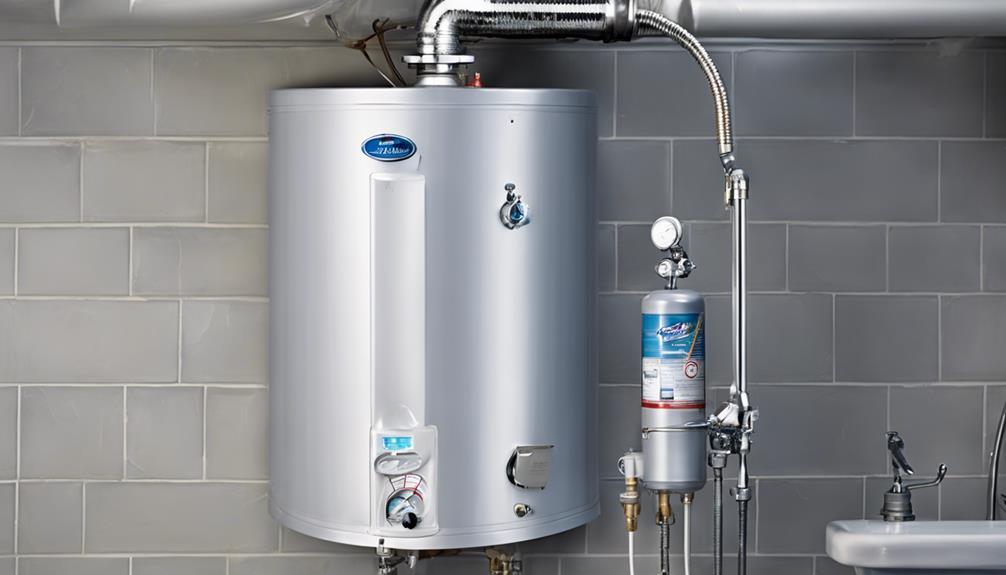
Improving water quality in your water heater is essential for both your health and the longevity of your appliance. Over time, sediment, minerals, and other debris can accumulate inside the tank. This build-up can lead to corrosion, which degrades water quality and potentially introduces harmful contaminants into your water supply.
To enhance water quality, you should perform regular flushing of your water heater. Begin by turning off the power supply to the heater—be it gas or electric—and allowing the water to cool. Connect a garden hose to the drain valve at the bottom of the tank and direct the other end to a safe drainage location. Open the valve and let the water flow until it runs clear, effectively removing sediment.
Installing a water softener can also mitigate mineral build-up. Softened water reduces scale formation, preserving the heater's internal components and improving water clarity.
Safety should be a priority throughout these procedures. Always wear protective gloves and verify adequate ventilation if dealing with gas heaters. By adhering to these practices, you'll maintain a cleaner water supply and extend the life of your water heater, ultimately protecting your health and investment.
Reduce Energy Costs
To reduce energy costs, guarantee your water heater operates at peak efficiency by insulating the tank and pipes. This simple measure can greatly lower your utility bills. Additionally, professional plumbing advice suggests setting the thermostat to 120 degrees Fahrenheit to save energy and avoid scalding. Regular maintenance, such as flushing the tank to remove sediment, also enhances efficiency and safety.
Enhanced Efficiency
Cutting down on energy costs with your water heater starts with maintaining its efficiency. When your heater operates efficiently, it requires less energy to heat the same amount of water. Begin by regularly flushing the tank to remove sediment buildup. Sediment acts as an insulator, forcing the heater to work harder and consume more energy. You can do this by turning off the heater, attaching a hose to the drain valve, and letting the water run until it's clear.
Check the anode rod annually. This rod attracts corrosive elements, preventing them from damaging the tank. A worn-out anode rod means increased corrosion and decreased efficiency. Replace it if it's less than 0.5 inches thick or coated with calcium.
Insulating your water heater and the first few feet of pipes can also enhance efficiency. Use a fiberglass jacket or pre-cut foam pipe insulation to minimize heat loss. Confirm the insulation doesn't block the thermostat or burners, creating a fire hazard.
Set the thermostat to 120°F. Higher temperatures increase energy consumption and can scald. Always follow the manufacturer's guidelines and safety precautions to avoid any risks. By taking these measures, you'll keep your water heater running at peak efficiency.
Lower Utility Bills
Lower your utility bills by focusing on practical steps to reduce energy costs with your water heater. Start by setting the thermostat to 120°F. This temperature is sufficient for most household needs and reduces the energy required to heat the water. Insulate your water heater tank with an insulating blanket, especially if it's an older model. This minimizes heat loss and keeps the water hot longer, reducing the need for the heater to work continuously.
Regularly inspect the anode rod for corrosion. A deteriorated anode rod can lead to sediment buildup, which forces the heater to use more energy to heat the water. Replace the anode rod if it's less than half an inch thick or coated with calcium.
Flushing the tank annually removes sediment and guarantees efficient operation. Sediment acts as a barrier, making the heater work harder to heat the water. Use the pressure relief valve cautiously to avoid injury from hot water or steam.
Consider installing heat traps on the water pipes. These devices prevent heat from escaping, guaranteeing that the hot water stays within the tank. By following these steps, you'll optimize your water heater's performance and lower your energy bills safely.
Prevent Major Failures
Water heaters are essential to your home's functionality, but neglecting their maintenance can lead to significant failures. Regular upkeep helps you avoid costly breakdowns and extend the lifespan of your unit. One critical component to check is the anode rod, which prevents tank corrosion. Inspect it every year, and replace it if it's heavily corroded. This small step can save you from a tank rupture, which would necessitate a full replacement.
Flushing the tank is another key task. Over time, sediment builds up at the bottom, causing inefficiency and potential damage. Drain and flush the tank annually to remove this buildup. It'll keep the heater running smoothly and prevent overheating, which can lead to cracks or leaks.
Additionally, check the temperature and pressure relief (TPR) valve. This safety device releases excess pressure, preventing the tank from exploding. Lift the valve's lever and let it snap back; if water releases, it's working. If not, replace it immediately.
Lastly, don't overlook the heating elements in electric water heaters. These elements can burn out or become encrusted with mineral deposits. Inspect and clean them during your annual maintenance to guarantee peak performance. Regular attention to these details can stave off major failures and keep your water heater in top shape.
Ensure Safety
After addressing the essential components of your water heater to prevent major failures, it's equally important to prioritize safety in your maintenance routine. First, always turn off the power supply before performing any maintenance tasks. For electric water heaters, switch off the circuit breaker. For gas units, set the thermostat to the "pilot" setting. This reduces the risk of electrical shock or gas leaks.
Next, regularly check the pressure relief valve. This critical component prevents your tank from bursting under high pressure. Lift and release the valve handle to confirm it discharges water. If it doesn't, replace it immediately.
Sediment buildup can cause overheating and even explosions. Drain the tank annually to remove sediment. Connect a garden hose to the drain valve, open it, and let the water flow until clear. This simple step prevents overheating.
Inspect the anode rod every three years. This rod attracts corrosive elements, protecting the tank lining. If it's less than half an inch thick or coated with calcium, replace it to avoid tank corrosion.
Lastly, verify proper ventilation for gas heaters to prevent carbon monoxide buildup. Regularly inspect the flue pipe for obstructions and secure connections. Prioritizing these safety measures keeps your water heater operating securely.
Maintain Warranty
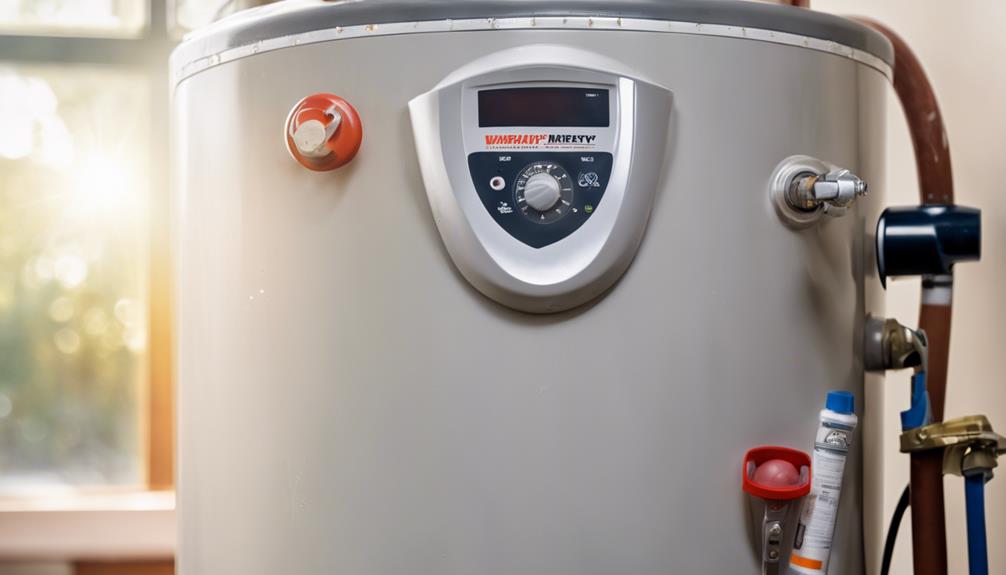
To maintain your water heater's warranty, adhere to the manufacturer's service requirements and schedule regular inspections. Keep detailed records as proof of upkeep, which may include service receipts and inspection reports. This guarantees you're covered if any issues arise, safeguarding both your investment and safety.
Manufacturer Service Requirements
Regularly adhering to manufacturer service requirements is vital to maintaining your water heater's warranty. Most manufacturers stipulate specific maintenance tasks and intervals that you must follow to keep the warranty valid. These often include flushing the tank, inspecting the anode rod, and checking the pressure relief valve. Ignoring these guidelines can void your warranty, leaving you responsible for costly repairs or replacements.
Always consult your water heater's manual for the exact service requirements. Manufacturers provide detailed instructions to guarantee peak performance and safety. For instance, flushing the tank removes sediment buildup, which can cause inefficiency and potential damage. Anode rod inspections are important for preventing corrosion, and a malfunctioning pressure relief valve can pose serious safety hazards, including the risk of explosion.
To streamline the process, consider scheduling annual maintenance with a certified technician. They have the expertise to perform these tasks correctly and can document the service, which may be necessary if a warranty claim arises. Don't forget to keep records of all maintenance activities. This documentation serves as proof of compliance with manufacturer requirements and can be invaluable if you need to file a warranty claim.
Regular Inspections Needed
For maintaining your water heater's warranty, regular inspections are vital. Manufacturers often require these inspections to guarantee that your water heater remains in peak working condition. By scheduling periodic check-ups, you can catch minor issues before they escalate into costly repairs or complete system failures.
First, inspect the anode rod. This component prevents tank corrosion and extends the heater's lifespan. If the rod is heavily corroded, replace it. Next, check for sediment build-up at the tank's bottom. Sediment can reduce efficiency and lead to overheating. Draining and flushing the tank annually can mitigate this problem.
Additionally, examine the temperature and pressure relief (TPR) valve. A malfunctioning TPR valve can cause dangerous pressure build-up. Lift the valve's lever to verify it releases water; if it doesn't, replace the valve immediately.
Furthermore, check all electrical connections and gas lines for wear or damage. Loose or frayed wires can be fire hazards, while gas leaks pose significant safety risks. Tighten connections and replace any compromised parts.
Lastly, always document your inspections. This record can be important for warranty claims and demonstrate consistent maintenance. Staying vigilant with these inspections not only upholds your warranty but also maintains a safe and efficient water heating system.
Proof of Upkeep
After conducting regular inspections, it's important to document your findings to maintain your water heater's warranty. Accurate records serve as proof of upkeep and can be essential if you need to make a warranty claim. Manufacturers often require evidence of regular maintenance to honor warranty terms.
Start by creating a maintenance log. Note the date of each inspection, any issues found, and the steps taken to resolve them. Include receipts for professional services and parts replaced. Digital photos of the water heater and its components can also be beneficial for visual documentation.
Ensure you follow the manufacturer's maintenance guidelines. These are usually found in the owner's manual and may include specific tasks like flushing the tank, checking the anode rod, and inspecting the pressure relief valve. Skipping these steps could void the warranty.
Safety is paramount. Always turn off the power supply and water source before performing any maintenance. Use appropriate personal protective equipment, such as gloves and safety glasses.
Conclusion
Maintaining your water heater regularly is vital for peak performance. You'll boost efficiency, extend its lifespan, and improve water quality. By addressing sediment buildup and anode rod corrosion, you can also reduce energy costs and prevent major failures. Safety is paramount, so make certain all inspections meet manufacturer guidelines to maintain your warranty. Regular maintenance isn't just practical—it's imperative for a reliable, efficient, and safe hot water supply in your home.